A Practical Guide to Linen Care: From Fiber to Finishing Touches
A Time-style editorial on understanding linen from its flax fiber to the care rituals that preserve its breathable, durable character in modern homes.
Published September 30, 2026
Introduction: Why Linen Demands Our Attention
Linen has long been a fabric associated with rational luxury: a material that ages with grace, developing a softness and depth that synthetic fibers simply cannot replicate. At its core, linen is flax fiber, and its virtues—breathability, moisture-wicking, and a cool to the touch hand—come from the natural biology of the plant and the way it is spun and woven. In today’s linen-focused landscape, brands such as Naturepedic and The Clean Bedroom have popularized linen bedding as a lifestyle choice that marries comfort with sustainability. Yet the value of linen extends beyond the surface: its performance over a long lifecycle makes it an ideal candidate for thoughtful, durable home furnishings.
This guide expands on the practical, evidence-backed care routines that keep linen bedding breathable and durable—from flax fiber properties to washing temperatures, drying methods, stain treatment, and color retention. It also addresses how to coordinate linen care across different textile families, including classic cotton sateen and high-performance blends that appear in modern bedding ensembles.
Section 1: Understanding Linen Fiber and Its Texture
Linen begins its life as flax, a plant that has grown and been harvested for thousands of years. The fiber’s natural processes determine the fabric’s texture, weight, and drape. Linen fibers have a natural stiffness that translates into a crisp surface when new, gradually yielding a softer, more supple feel as it wears. Unlike cotton, which compresses under humidity, linen breathes with it, thanks to its hollow-core fibers that promote air circulation and moisture transfer.
The practical consequence for care is clear: linen benefits from gentle handling and appropriate moisture management. When washed, linen fibers relax and the weave settles more evenly, which reduces pilling and helps the fabric maintain its structural integrity over time. For premium lines—such as the Libeco Madison Linen or similar European linen products—the finishing processes, including stone-washing and post-wash softening, contribute to a lived-in feel from the first use, while maintaining durability through repeated washing.
In sum, linen’s fiber properties explain why care routines emphasize warmth-controlled washing, proper drying, and minimal aggressive agitation. This understanding frames the practical steps that follow.
Section 2: The Core Care Principles for Linen Bedding
- Wash with purpose: Linen responds well to warm to cool water cycles. A typical recommendation is warm to cold water, avoiding overly hot cycles that can stress the fiber and shorten the lifespan of enameling finishes or stone-wash treatments.
- Choose mild detergents: Use a gentle detergent and avoid fabric softeners, which can coat the fibers and reduce the fabric’s natural breathability and moisture management.
- Air dry or low heat: Linen dries best when air-dried or tumble-dried on a low heat setting. High heat can contribute to excessive wrinkling and potential fiber damage over time.
- Minimal mechanical agitation: Over-drying and aggressive agitation can strain the fibers. Remove linen promptly when dry or almost dry to minimize wrinkles and reduce stress on the weave.
- Ironing and finishing: If you prefer a crisper finish, iron linen when slightly damp using a warm to cotton setting. For a relaxed, textural look, you can skip ironing altogether—the fabric’s natural texture is part of its appeal.
This section solidifies a repeatable routine that respects linen’s physiology: a fabric that thrives on moderate washing, careful drying, and thoughtful storage. Across premium lines, these practices preserve the fabric’s breathability and longevity, ensuring that the bedding remains comfortable and aesthetically timeless.
Section 3: Practical Laundering: Step-by-Step Routines
The actual laundering process can be broken into straightforward steps that accommodate most households while preserving the elevated feel of linen bedding.
- Prep and sort: Separate whites from colors and inspect the fabric for stains before starting the wash. Pre-treat visible stains with a gentle, linen-safe stain remover as soon as possible, before loading into the machine.
- Load and settings: Use a standard washing machine on a gentle cycle with a temperature range of 40–60°C (104–140°F) depending on the color and finish of the linen. For uncolored or natural linens, warmer cycles can be used sparingly; always follow the garment or textile tag instructions when available.
- Detergent choice: A mild, liquid detergent designed for delicate textiles helps preserve fiber integrity and color. Avoid bleach unless the fabric specifically instructs otherwise.
- Rinse and spin: Ensure a thorough rinse to remove residual detergent, which can cause stiffness if left in the weave. Use a gentle spin to minimize stress on the fibers.
- Drying method: Remove promptly after the cycle ends to reduce creasing. Line drying is ideal for linen; if you use a dryer, aim for a low heat setting and remove while slightly damp to reduce wrinkling and fabric stress.
For premium sets like Naturepedic Organic Linen Sheets or the Madison Collection, following these routines helps maintain a crisp, breathable hand while ensuring colorfastness and fiber longevity.
Section 4: Stain Removal without Compromising Linen
Linen’s natural resilience makes it surprisingly stain-tolerant when treated promptly and gently. The key is to approach stains without aggressive scrubbing that could degrade the weave or wear through the surface finishing.
- General stains: Blot with a clean cloth, then treat with a mild detergent solution. Rinse and air dry.
- Oil-based stains: Blot, apply a small amount of dish soap or a gentle stain remover, and rinse thoroughly. Air dry away from direct heat.
- Wine and berry stains: Blot, pre-treat with a mild detergent or stain remover, and launder as usual on a gentle cycle. Avoid prolonged soaking that can cause color migration in some linen blends.
The aim is to lift the stain without compromising the fabric’s breathability. Linen’s blend with other fibers—such as a cotton sateen—should be treated per the blend’s specific care instructions to avoid pilling or fiber damage.
Section 5: Color Retention and Finishes in Linen
Color retention in linen is facilitated by proper washing temperatures, careful detergent selection, and avoiding high-heat drying that can fade dyes or alter the surface finish. Stone-washed or pre-softened linens often exhibit a more forgiving texture from early use, while still maintaining color clarity after repeated laundering.
In premium lines from Manhattan-inspired interiors to European linen lines, color fidelity is a focal point. Practically, this means washing linens separately on a gentle cycle, using a dye-friendly detergent, and avoiding fabric softeners that may leave a residue affecting dye longevity and fabric breathability.
Section 6: Coordinating Care Across Brands and Textiles
Homeowners frequently mix linen with other textiles such as cotton sateen sheets or percale duvet covers. A thoughtful approach preserves the integrity of each fabric while creating a cohesive sleep environment. When mixing fabrics, keep to similar wash temperatures and cycle settings to minimize texture changes and fiber stress.
For example, pairing premium linen bedding with a high-thread-count cotton sateen sheet set—such as the Chelsea Duvet line—requires aligning wash cycles and avoiding aggressive heat to protect both fabrics. Brand-level finishing touches, such as stone-washed linen or hemstitched edges, contribute to a calm, refined bedscape that looks and feels well cared-for.
Section 7: A Short Glossary of Linen Care Terms
- Flax: The plant whose fibers yield linen; the source of linen’s breathable, cool hand.
- Hollow fiber: The structural feature that helps linen wick moisture and promote air flow.
- Stone-washed: A finishing process that softens linen and adds a lived-in feel.
- Hemstitched: A refined finish on edges, common in high-end linen linens.
- GOTS: Global Organic Textile Standard, a certification indicating organic fiber cultivation and responsible processing.
Section 8: A Brand-Independent Guide to Longevity
The longevity of linen bed linens is a testament to proper care. Linen’s character rewards patient, methodical attention. When cared for with the steps outlined above, linen bedding can outlast several seasons of fashion trends, maintaining its breathable comfort and quiet luxury.
While brand narratives—such as those of Naturepedic and The Clean Bedroom—offer curated product lines, the core care principles remain universal. Linen’s strength lies in its simplicity: respect the fiber, follow a steady care routine, and the fabric will reward you with a cool, comfortable, and durable sleeping surface.
Conclusion: Linen as a Timeless Steward of Sleep
Linen is more than a textile; it is a philosophy of living with less but better. Its capacity to regulate temperature, wick moisture, and soften with use makes it a natural ally for restful nights. The care routines described here—gentle washing, mindful drying, and careful stain management—shape the long arc of linen’s performance. In a world of fast fashion and quick-turn textiles, linen remains stubbornly patient: a fabric that reveals its true beauty with time.
Related Products You Might Consider
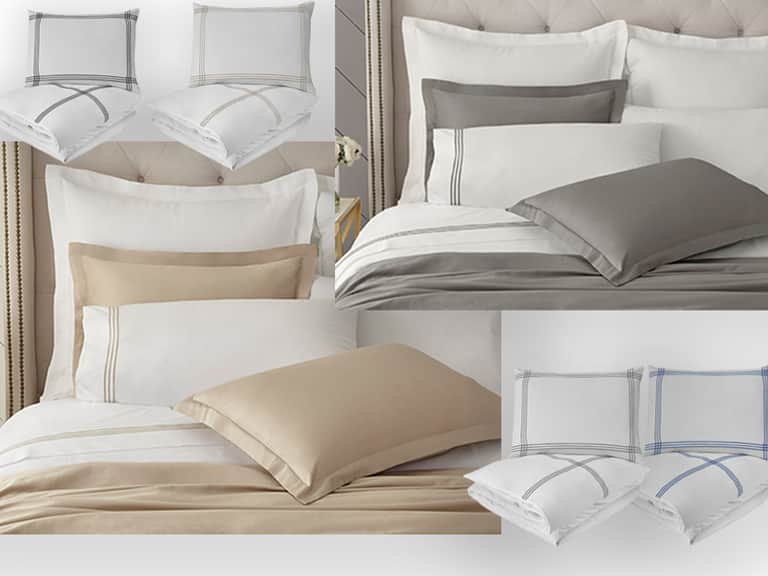
Downtown Company Chelsea Duvet
A clean, contemporary duvet with a three-layered trim, crafted in Portugal from 400-thread-count cotton sateen.
Price: 348.00 USD
DownTown Madison Pillowcases
Pillowcases with triple-row satin embroidery in a 400-thread-count long-staple cotton sateen finish.
Price: 84.00 USD
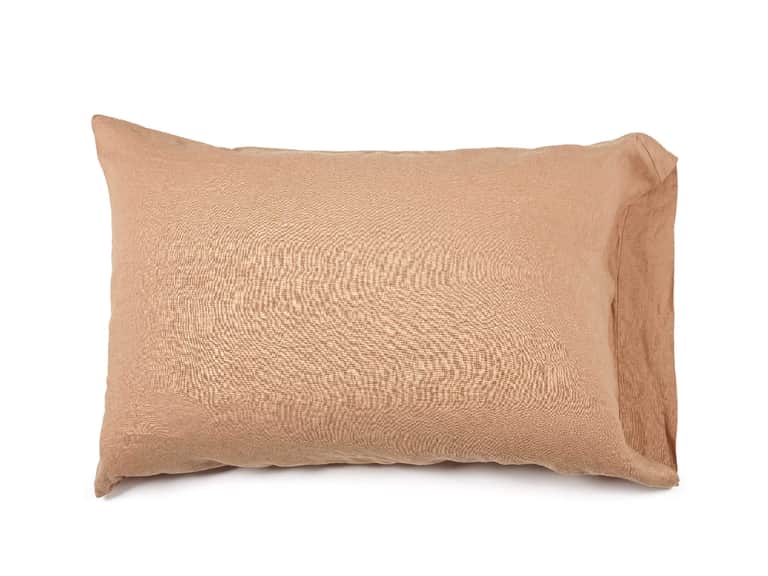
Madison Linen Pillowcase
100% linen with a washed finish, woven in Belgium with European flax yarn.
Price: 98.50 USD